Not all screen time is equal: what research suggests in the classroom
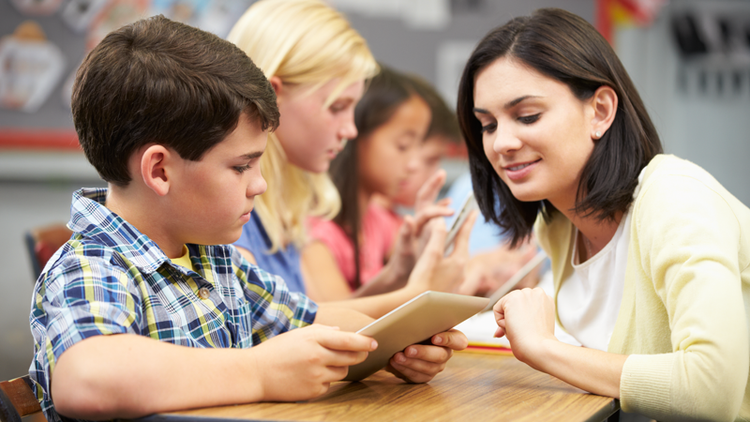
As conversations around classroom technology continue, educators, administrators, families, and policymakers are asking important questions about how technology should be used in schools. One thing is becoming increasingly clear: what students do on screens matters more than how many minutes they spend there.
Research suggests that digital learning experiences vary widely in effectiveness, and that learning outcomes are influenced by how technology is designed, implemented, and integrated into instruction. The quality of screen time matters far more than the quantity.
Not all screen time is equal. When used intentionally, educational screen time can support meaningful learning. It can help students build foundational skills, strengthen reading comprehension, develop math fluency, engage in scientific inquiry, and receive timely feedback that supports their growth. The most effective classroom technology use supports teacher-led instruction, aligns to learning goals, and actively engages students in the learning process.
Key Takeaways
- Not all classroom screen time has the same impact on learning.
- High-quality educational screen time actively engages students through practice, feedback, and problem-solving.
- Passive screen use focuses on content consumption, while active screen use supports skill development and learning outcomes.
- Teachers can maximize classroom technology by aligning screen usage to instructional goals.
- Effective digital tools, such as ExploreK12™ solutions, provide data that help educators personalize instruction and monitor growth.
Why screen time in schools is under scrutiny
Screen time in schools is receiving increased attention due to concerns about student well-being, attention, and the amount of time children spend using devices. Some question whether educational technology is genuinely improving student outcomes and helping teachers make better use of instructional time. A recent review highlighted the need to distinguish between passive and active screen use, noting that the type of digital interaction—not just the amount of time spent on a device—can influence outcomes.
School leaders also face increasing pressure to demonstrate that technology investments provide clear instructional value. While teachers are balancing limited instructional time, diverse student needs, and ambitious academic goals.
These realities are shifting the conversation. Rather than focusing solely on screen time totals, many educators are asking a more important question: How can technology be used more intentionally to improve learning?
Not all screen time is equal: what can improve learning
Research increasingly shows that the quality of a digital learning experience matters more than the presence of technology alone. The most effective educational technology is designed to support learning goals, active participation, and measurable progress.
Active vs. passive screen time
Passive screen time
Passive screen time typically involves lower levels of interaction and engagement.
Examples include:
- Watching videos without opportunities for discussion or application
- Scrolling through content with little engagement
- Consuming information without responding or reflecting
- Completing repetitive tasks with limited thinking
- Using technology primarily as a filler activity
Some of these experiences may occasionally support instruction when used strategically, but on their own, they often provide fewer opportunities for students to practice skills, receive feedback, or demonstrate understanding.
Active, high-impact screen usage
Active, high-impact screen usage engages students directly in learning.
Effective screen time for students often includes:
- Interactive learning experiences
- Skill-building practice
- Problem-solving and critical thinking
- Reading, writing, and discussion
- Inquiry and exploration
- Immediate feedback
- Progress monitoring
- Student choice and ownership
This distinction between active versus passive screen time in education is important. Active learning experiences encourage students to think, practice, apply, create, and reflect rather than simply consume information.
A 2024 Stanford-led meta-analysis examining 119 studies of educational technology found that digital learning products vary considerably in effectiveness depending on their design and implementation. The researchers concluded that educational technology should not be treated as a single category because outcomes differ significantly across products and learning contexts.
What to look for in intentional educational screen time
When evaluating classroom technology use, educators can focus on whether digital tools support meaningful learning experiences.
Builds reading comprehension
Reading is about much more than decoding words on a page. Strong readers actively construct meaning, connect ideas, analyze information, and reflect on what they have learned. When used intentionally, digital learning experiences can create additional opportunities for students to engage with text, build confidence, and practice comprehension skills in ways that complement classroom instruction.
Look for experiences and solutions that:
- Support foundational literacy skills
- Develop vocabulary
- Strengthen reading comprehension
- Encourage discussion and written response
- Support independent reading
- Allow for differentiated instruction
Responsible digital reading can support accessibility, personalization, and active engagement when integrated thoughtfully and aligned to instructional goals. When students interact with meaningful texts and opportunities to think critically about what they read, screen time becomes another avenue for developing lifelong literacy skills.
Strengthens math fluency
Math proficiency requires both efficiency and understanding. Students need opportunities to develop automaticity with foundational skills while also exploring why mathematical concepts work. High-quality educational screen time can provide the repeated practice students need while helping them make connections, recognize patterns, and apply their learning in new situations.
Look for tools that:
- Provide adaptive practice
- Encourage mathematical reasoning
- Reinforce foundational skills
- Deliver meaningful feedback
- Track student progress
When technology supports productive struggle, reflection, and ongoing practice, students can build the confidence and fluency needed to tackle increasingly complex mathematical challenges both in and out of the classroom.
Supports scientific thinking
Science learning is most effective when students actively investigate the world around them. Rather than simply memorizing facts, students should have opportunities to explore questions, test ideas, analyze evidence, and draw conclusions. Quality digital experiences can expand access to inquiry-based learning and help students engage in authentic scientific thinking.
High-quality science experiences and solutions encourage students to:
- Ask questions
- Form hypotheses
- Conduct investigations
- Analyze evidence
- Apply scientific reasoning
By engaging students in the processes scientists use every day, educational technology can help foster curiosity, critical thinking, and a deeper understanding of how scientific knowledge is developed.
Provides meaningful feedback and data
One of the greatest advantages of educational technology is its ability to provide timely insights that inform instruction. While data alone does not improve learning, actionable information can help teachers make more informed decisions, respond to student needs more quickly, and better understand learning progress over time.
Effective tools help teachers:
- Monitor progress
- Identify learning gaps
- Differentiate instruction
- Adjust support
- Track growth over time
When educators have access to meaningful feedback, they can spend less time gathering information and more time using it to support student success.
Strategies for maximizing intentional screen usage in the classroom
Here are some ways to maximize screen usage in your classroom.
Keep it purposeful
Short, focused learning experiences can have a significant impact when they are connected to a specific instructional objective and help students practice an important skill.
Before assigning a digital activity, consider:
- What learning goal does this support?
- What should students know or be able to do afterward?
- How will progress be measured?
Purposeful technology use starts with instructional intent.
Align screen time to learning goals
Technology is most effective when it supports classroom instruction rather than competing with it. Curriculum-aligned tools can help teachers save planning time while supporting instructional consistency.
Whether students are reading, writing, solving math problems, exploring science concepts, or practicing foundational skills, screen time should be clearly connected to learning outcomes.
The strongest digital learning experiences align with what students are learning in class and reinforce important concepts and skills.
Use data to guide instruction
Technology becomes more valuable when its insights inform teaching.
Look for tools that provide:
- Progress reports
- Skill-level information
- Growth indicators
- Recommendations for instructional next steps
When teachers have access to meaningful data, they can personalize learning and provide targeted support where it is needed most.
Helping students learn through screen time (not just use it)
Research has consistently linked meaningful engagement to stronger academic outcomes. A widely cited meta-analysis by Roorda and colleagues found significant associations between student engagement and academic achievement.
Technology does not create engagement on its own. However, it can help educators create conditions that support:
- Confidence-building experiences
- Skill mastery
- Independent practice
- Student agency
- Goal setting and progress monitoring
- Meaningful participation
When students can see their growth, receive feedback, and experience success, they are more likely to develop confidence and independence as learners.
Supporting school and district screen time goals
School and district leaders must balance technology access, instructional quality, student well-being, and accountability.
Intentional screen use can help schools:
- Support literacy, math, and science priorities
- Demonstrate value from technology investments
- Provide differentiated support at scale
- Support teacher-led instruction
- Balance digital and offline learning experiences
- Monitor student progress
Download: Is this screen time worth it?
Not all screen time delivers the same value. Start by asking yourself if the activity is:
✅ Active?
✅ Personalized?
✅ Impactful?
✅ Is it worth it?
Whether you're evaluating a new tool or refining an existing routine, this framework will help you dig deeper into those questions and help you identify high-quality educational screen time for students.
Download the Framework{radiant-red}
Make every minute meaningful
As schools continue to evaluate classroom technology, the most productive conversations focus on learning impact rather than screen time totals.
Purposeful screen use helps educators maximize instructional time, support differentiated learning, and provide students with meaningful opportunities to practice skills, receive feedback, and build confidence. Technology is most effective when it supports teacher-led instruction and helps students make measurable progress toward learning goals.
ExploreK12™ solutions are designed for purposeful use in grades K–12 — supporting teacher-led instruction, strengthening foundational skills, and helping students build confidence across literacy, math, and science. With research-based resources, actionable insights, and flexible implementation support, ExploreK12 helps educators make every minute meaningful.
Increase impact across subjects with ExploreK12
{joyful-aqua}
++Literacy{sunny-yellow}++
Raz-Plus® supports foundational skills, comprehension, and differentiated literacy instruction with flexible digital and printable resources for whole-group instruction, small groups, and independent practice. Teachers can meet students where they are while keeping instruction purposeful, practical, and connected to classroom goals.
{positive-periwinkle}
++Math{sunny-yellow}++
ReflexTM and FraxTM help students build math fact fluency and strengthen fractions understanding through focused, interactive practice designed to support real skill development. These solutions emphasize thinking, problem-solving, feedback, and progress — not passive use.
{happy-pink}
++Science{sunny-yellow}++
GizmosTM brings science concepts to life through interactive simulations and virtual labs that promote inquiry, experimentation, and critical thinking. Students actively explore, test ideas, and make sense of complex concepts through hands-on discovery.
{warm-white}
For
Teachers
Try ExploreK12 solutions free for 30 days and see how purposeful digital learning can support your classroom routines.
{warm-white}
For Administrators
Interested in exploring ExploreK12 solutions across classrooms, schools, or districts?
{warm-white}
For International educators
Connect with a local ExploreK12 partner in your country.