How to use reading assessment data to drive reading growth in K-5
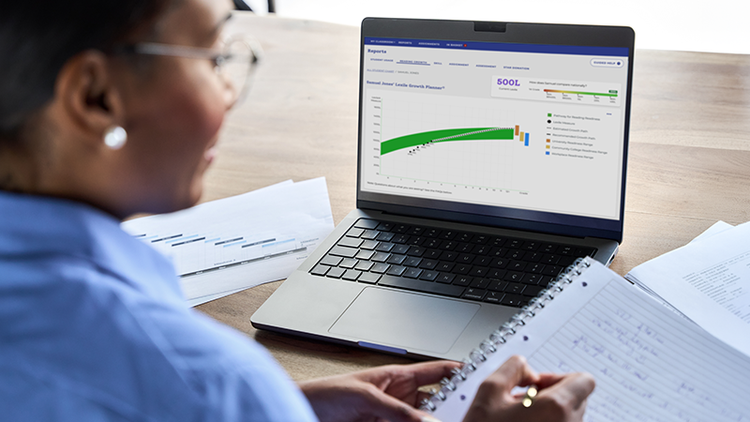
Experienced educators know that reading assessments are just the starting point and are best used to understand student needs and gather meaningful data on student progress. The real work begins after the assessments are complete, when educators leverage those insights to guide instruction, personalize learning experiences, and support reading growth.
Effective reading assessment helps teachers understand student needs and use data to provide targeted instruction, support independent reading, strengthen reading comprehension, and accelerate reading growth. The value of reading assessment is not simply measuring performance. It is using that information to guide instruction and help students make meaningful progress.
Why reading assessment should do more than measure performance
Assessment is an essential part of literacy instruction, but it should never be the end goal. While scores and benchmarks provide valuable information about student performance, they represent only a snapshot in time. Reading growth happens when educators use assessment data to make informed decisions about instruction and support.
Teachers use reading assessment data to answer important questions:
- Which students are on track, and which may need additional support?
- What skills should be prioritized during instruction?
- Which texts will appropriately challenge students while supporting their success?
- How can progress be shared with families in meaningful ways?
When assessment drives action, it becomes a powerful tool for personalizing learning and improving outcomes.
What many reading assessments miss about reading growth
Assessment without instructional next steps
Many reading assessments provide data but offer limited guidance about how to use it. Teachers may know a student is struggling with comprehension, fluency, or vocabulary, but still be left wondering what to teach next.
Assessment-driven instruction bridges this gap by connecting data directly to targeted teaching strategies and instructional next steps.
Reading measures are for books, not students
Reading measures, such as Lexile®, can help educators identify texts that provide an appropriate level of challenge, but they should not define a student's identity as a reader.
Reading levels are designed to describe the complexity of books and not students' potential. A student's reading journey includes strengths, interests, experiences, and skills that extend far beyond a single score or assessment result.
It is equally important for students to have meaningful choice in what they read. In addition to reading texts matched to their Lexile® Measure, students benefit from opportunities to explore grade-level texts that align with their interests. This balance supports reading growth while also fostering engagement, motivation, and a lifelong enjoyment of reading. Research suggests that allowing students to select grade-level texts by topic can help strengthen comprehension and encourage deeper connections to what they read.
When educators use reading measures to match students with appropriate texts rather than to label learners, they can focus on what matters most: continuous growth, confidence, engagement, and progress.
How assessment data informs instruction
Assessment data becomes most valuable when it helps teachers determine what to teach next. In Science of Reading-aligned classrooms, assessment can help educators identify skill gaps, provide explicit and systematic instruction, and ensure students receive support in both foundational skills and language comprehension.
Effective literacy assessment includes both formative and summative measures. At its core, using reading assessment data to inform instruction helps teachers make targeted decisions about skill development, reading comprehension support, text selection, and independent reading opportunities.
Formative assessments are ongoing checks for understanding that help teachers adjust instruction during learning. These may include observations, discussion responses, comprehension checks, or other classroom-based measures.
Summative assessments evaluate student learning after a period of instruction and provide insight into overall achievement and growth.
Together, formative and summative assessments create a more complete picture of student learning and help educators identify skill gaps, monitor progress, and make informed instructional decisions.
Identifying skill gaps
Assessment data helps teachers pinpoint the specific skills students need to develop. In a Science of Reading-aligned approach, those insights can help identify needs in foundational skills, fluency, vocabulary, and reading comprehension. Rather than relying on assumptions, educators can focus instructional time on the areas most likely to accelerate reading growth
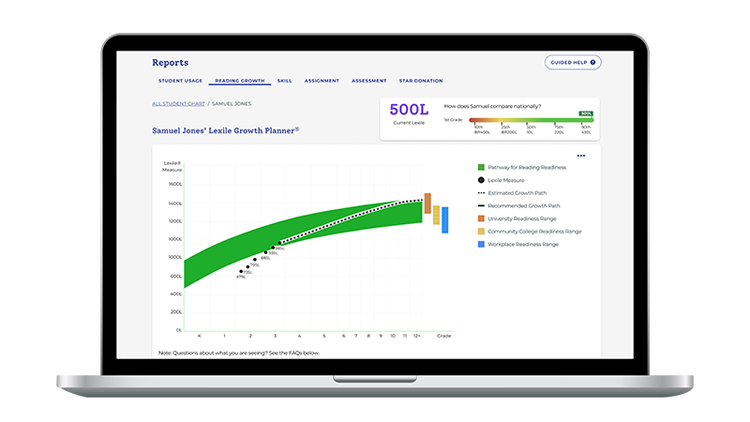
Monitoring reading growth over time
Reading growth requires more than a single assessment.
Regular progress monitoring helps educators evaluate student growth at the individual, classroom, school, and district levels. It can also help identify students who may need additional support and provide evidence that literacy initiatives are producing measurable results.
By focusing on growth across the school year rather than isolated scores, educators gain a clearer understanding of both student progress and instructional impact.
While assessment data can inform instruction, it can also help educators create independent reading experiences that reinforce learning and encourage students to practice new skills.
Supporting independent reading without the guesswork
Assessment data becomes especially powerful when it supports independent reading. When students are connected with appropriate texts and given opportunities for choice, reflection, and meaningful practice, they are more likely to develop reading habits that contribute to both engagement and long-term growth.
Choosing meaningful reading experiences
Independent reading has the greatest impact when students have access to texts that are both engaging and appropriately challenging. When students can explore topics that interest them while experiencing success as readers, they are more likely to stay engaged, build confidence, and develop habits that support long-term literacy growth.
Assessment-driven instruction vs. traditional reading instruction
The difference between assessment-driven instruction and traditional reading instruction is not simply how data is collected. It is how that data is used.
By helping educators proactively identify needs and personalize instruction, assessment-driven instruction can reduce guesswork and create more opportunities for student growth.
How Raz-Plus helps turn assessment into action
One of the challenges educators face is turning assessment insights into meaningful next steps for students. For back to school 2026, Raz-Plus is introducing new ways to connect reading assessment data with personalized independent reading experiences through Reading Growth Assessment and Reading Power Zone.
Together, these enhancements help educators move from assessment to action and support reading growth throughout the school year by:
- Monitor reading growth with confidence: The Reading Growth Assessment provides actionable data at the beginning, middle, and end of the year, helping educators track progress and make informed instructional decisions.
- Gain deeper insight into student understanding: Formative assessments, including comprehension quizzes and the Read-Retell-Respond assessment, help educators monitor progress throughout the year with a more multifaceted measure of learning that integrates fluency, retelling, and comprehension.
- Identify and support student needs: Assessment insights can help educators identify students who may need additional support and personalize instruction based on growth data.
- Connect assessment to independent reading: Students can be automatically placed into an appropriate Reading Power Zone based on their Reading Growth Assessment results.
- Increase engagement and reading volume: Through curated, topic-based book sets, students build knowledge, strengthen comprehension, and spend more time reading independently.
- Promote choice, confidence, and agency: Students have opportunities to make choices, reflect on their reading, and develop a stronger sense of themselves as readers.
Start a Free Trial{radiant-red}
Supporting family engagement with meaningful reading data
Meaningful reading growth data helps educators communicate progress in ways that are easier for caregivers to understand and support. Because the Reading Growth Assessment provides consistent measures over time, educators can have more productive conversations about student achievement, areas for growth, and next steps for learning.
When families have a clearer view of progress, they are better equipped to encourage reading at home, celebrate successes, and support literacy development outside the classroom.
Turning reading insights into long-term growth with Raz-Plus
Reading growth happens when assessment leads to action.
By combining Reading Growth Assessment with Reading Power Zone, educators can connect assessment insights directly to meaningful reading experiences. Students gain opportunities to build knowledge, strengthen comprehension, increase reading volume, and develop confidence as readers.
When assessment, instruction, and independent reading work together, students gain the skills, motivation, and confidence needed for long-term literacy success.
Ready to turn assessment data into reading growth?
See how Reading Growth Assessment and Reading Power Zone work together in Raz-Plus to help educators monitor progress, personalize reading experiences, and support independent reading success.
Start a Free Trial{radiant-red}